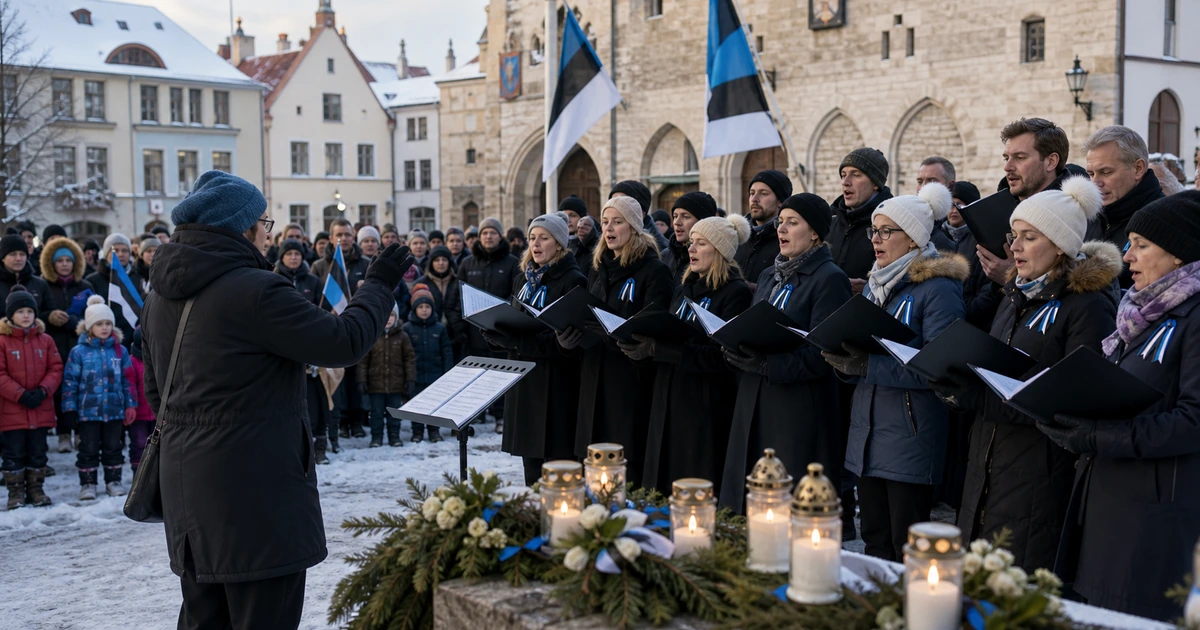
Estonia Independence Day 2027


More National days
National days topic
Return to the National days index for related events.
About the event
Why Estonia celebrates 24 February On 24 February 1918, the Estonian Salvation Committee proclaimed the Republic of Estonia in Tallinn — just as German forces were advancing and before the Bolsheviks could regain control.
Estonia's mass choral song festival — up to 30,000 singers performing on a single stage, a UNESCO-listed tradition.
Why this day
On 24 February 1918, the Estonian Salvation Committee proclaimed the Republic of Estonia in Tallinn — just as German forces were advancing and before the Bolsheviks could regain control. The declaration was brief and the republic faced immediate threats, but it marked the birth of the Estonian nation-state and the date became the founding anniversary.
The republic survived until 1940, when Soviet forces occupied Estonia following the Molotov-Ribbentrop Pact. Estonia was incorporated into the Soviet Union and independence was suppressed for 50 years. The memory of the 1918-1940 republic was maintained by the Estonian government in exile and by communities in the West, preserving legal continuity of the state.
When independence was restored in 1991 during the dissolution of the Soviet Union, Estonia chose to restore the original republic rather than establish a new state — reinforcing the legal and historical continuity. Today, 24 February is marked with the flag being raised on Toompea Hill in Tallinn at sunrise, a military parade and evening concerts.
Timeline
- 1918Estonia declares independence from both Russia and Germany
- 1940Soviet occupation — independence suppressed for 50 years
- 1991Independence restored — Estonia becomes first Baltic state to break free
Stay for the event
Check-in 23 Feb, check-out 25 Feb 2027 — 2 nights around 24 February 2027. Change the dates to stay longer.
AREA
Find stays in TallinnGetting there
- Celebratednationwide
- CapitalTallinn
- Time zoneEET (UTC+2)
Host country
- Currency: euro
- Language: Estonian
- Driving: on the right
- Capital: Tallinn
- Phone: +372
- Emergency: 112
- Electricity: 230 V, 50 Hz, plugs C/F
What to eat
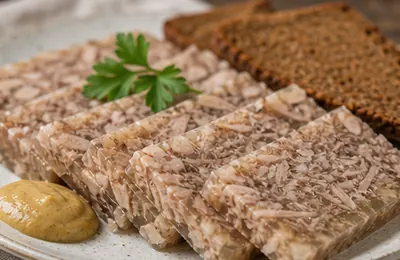 Sült
SültCold jellied pork — a traditional cold cut served at celebrations, sliced and eaten with mustard.
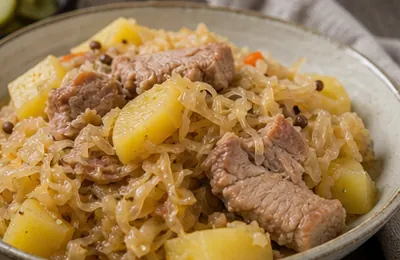 Mulgikapsad
Slow-braised sauerkraut with barley and pork — a warming Estonian staple from the south of the country.
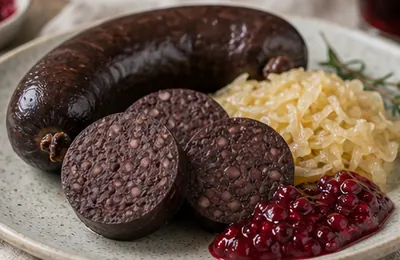 Verivorst
Blood sausage — a Christmas and winter tradition eaten with sauerkraut and cranberry jam.
 Kiluvõileib
Open-faced bread with spiced Baltic sprat — the Estonian version of the Scandinavian smørrebrød.
 Kama
KamaRoasted grain flour mixed with buttermilk or kefir — an ancient Estonian food eaten for breakfast or dessert.
 Kohuke
Sweet quark cheese bar coated in chocolate — Estonia's most loved everyday snack.
What to drink
 Vana Tallinn
Spiced liqueur with a rum base — Estonia's best-known spirit, often added to coffee or cream.
 Saku beer
Estonia's leading beer brand — light lager brewed in Tallinn since 1820.
 Kefir
KefirFermented milk drink — consumed daily as a health drink throughout Estonia and the Baltic states.
Culture & traditions
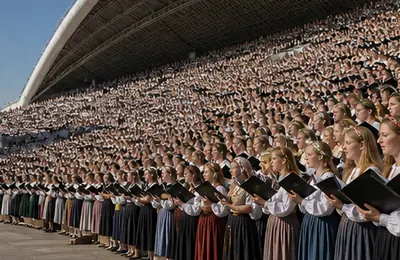 Laulupidu Song Festival
Estonia's mass choral song festival — up to 30,000 singers performing on a single stage, a UNESCO-listed tradition.
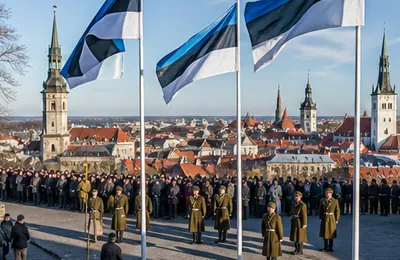 Toompea Hill ceremony
Tallinn's ancient hilltop fortress is where the flag is raised at dawn on Independence Day.
 Sauna culture
The Estonian sauna — löylysaun — is central to social and family life, used for relaxation and celebration.
 Digital state
Estonia was the first country to offer e-residency and runs elections online — its digital governance model is studied worldwide.
Coming years
Estonia Independence Day 2028
- Thursday 24 February 2028Next event date
Estonia Independence Day 2029
- Saturday 24 February 2029Event date
Estonia Independence Day 2030
- Sunday 24 February 2030Event date