Dominican Republic National Day 2027

More National days
National days topic
Return to the National days index for related events.
About the event
On 27 February 1844, Juan Pablo Duarte and the Trinitaria independence movement declared the Dominican Republic independent from Haiti, which had controlled the entire island of Hispaniola since 1822.
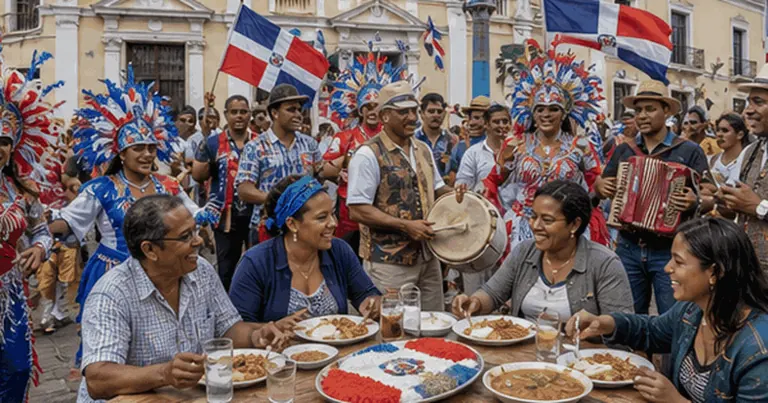
Dominican carnival in February coincides with independence — costumed comparsas, devil masks (diablos cojuelos) and street parties.
Why this day
On 27 February 1844, Juan Pablo Duarte and the Trinitaria independence movement declared the Dominican Republic independent from Haiti, which had controlled the entire island of Hispaniola since 1822. The Dominican declaration was unique — it was independence not from a European colonial power but from a neighbouring Caribbean nation.
The Dominican Republic celebrates Independence Day on 27 February, marking the 1844 proclamation of independence from Haiti by the Trinitarios movement. The date marks the birth of the Dominican Republic as a separate state.
The holiday comes at the end of Dominican Carnival season, so civic commemoration and carnival energy often overlap. Official ceremonies honour the founding fathers, while streets fill with masks, music and flags.
Timeline
- 1844Independence from Haiti proclaimed
- 1865Restoration of independence completed
- 1844First republic declared
Key figures
Stay for the event
Check-in 26 Feb, check-out 28 Feb 2027 — 2 nights around 27 February 2027. Change the dates to stay longer.
AREA
Find stays in Santo DomingoGetting there
- Celebratednationwide
- CapitalSanto Domingo
- Time zoneAST (UTC-4)
Host country
- Currency: Dominican peso
- Language: Spanish
- Driving: on the right
- Capital: Santo Domingo
- Phone: +1 (809, 829, 849)
- Emergency: 911
- Electricity: 120 V, 60 Hz, plugs A/B/C
What to eat
Seven-meat stew with yuca, corn and herbs — the Dominican Republic's national celebration dish, made in large pots for crowds.
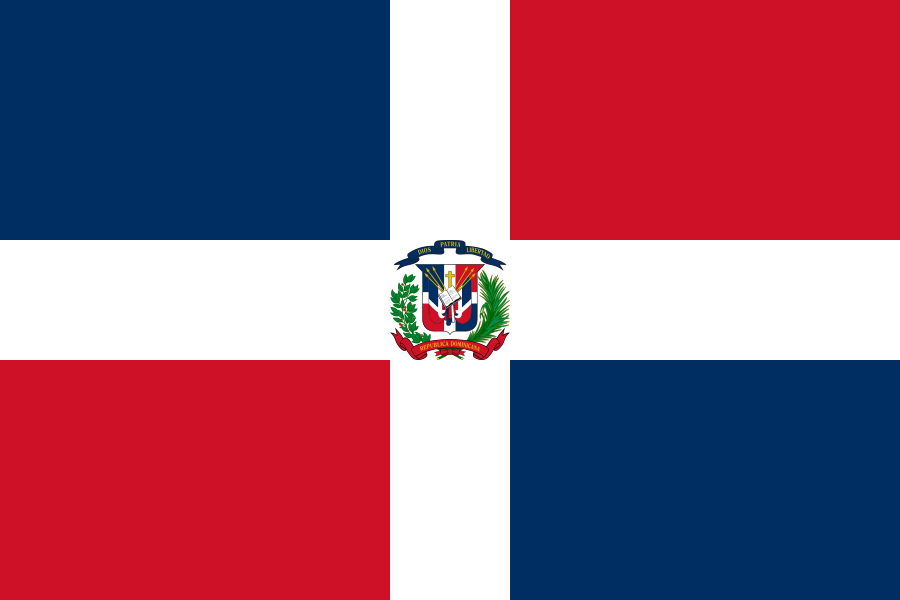
White rice, red beans and stewed meat — the Dominican daily plate named after the national flag.
Mashed boiled plantains topped with fried salami, cheese and eggs — the quintessential Dominican breakfast.
Twice-fried green plantain slices pressed flat and salted — eaten as a side dish at every Dominican table.
Crispy fried chicken pieces marinated in citrus and sazón spice — a popular Dominican street and party food.
Three-milk soaked sponge cake — the Dominican celebration dessert served at family gatherings.
What to drink
Dominican rum infused with bark, roots and herbs — a unique national drink with Indigenous Taíno origins.
Orange juice and milk cocktail — literally "to die dreaming" — the beloved Dominican refreshment.
Dominican lager — the most popular beer on the island, drunk at every outdoor event.
Culture & traditions
Dominican carnival in February coincides with independence — costumed comparsas, devil masks (diablos cojuelos) and street parties.
The Dominican national music and dance — fast, rhythmic and impossible to stand still to; performed at every outdoor celebration.
Romantic guitar music born in the Dominican countryside — now a global genre with UNESCO recognition.
Official independence ceremony at the colonial square in Santo Domingo — the oldest continuously inhabited city in the Americas.
Coming years
Dominican Republic National Day 2028
- Sunday 27 February 2028Next event date
Dominican Republic National Day 2029
- Tuesday 27 February 2029Event date
Dominican Republic National Day 2030
- Wednesday 27 February 2030Event date