Democratic Republic of the Congo National Day 2027


More National days
National days topic
Return to the National days index for related events.
About the event
The celebration sits alongside Congolese music, river geography, football pride and a strong awareness that the country's mineral wealth and political history remain deeply contested.
Lumumba remains the defining independence figure in speeches, murals and public memory.
Why this day
30 June marks the day in 1960 when the Congo became independent from Belgium. The date ended one of the most exploitative colonial histories in Africa, moving from Leopold II's Congo Free State to Belgian Congo and then to a sovereign republic.
The day became a powerful national memory partly because independence was followed immediately by crisis, secession and the assassination of Patrice Lumumba. His independence-era speeches and image remain central to how many Congolese understand sovereignty, dignity and unfinished national promise.
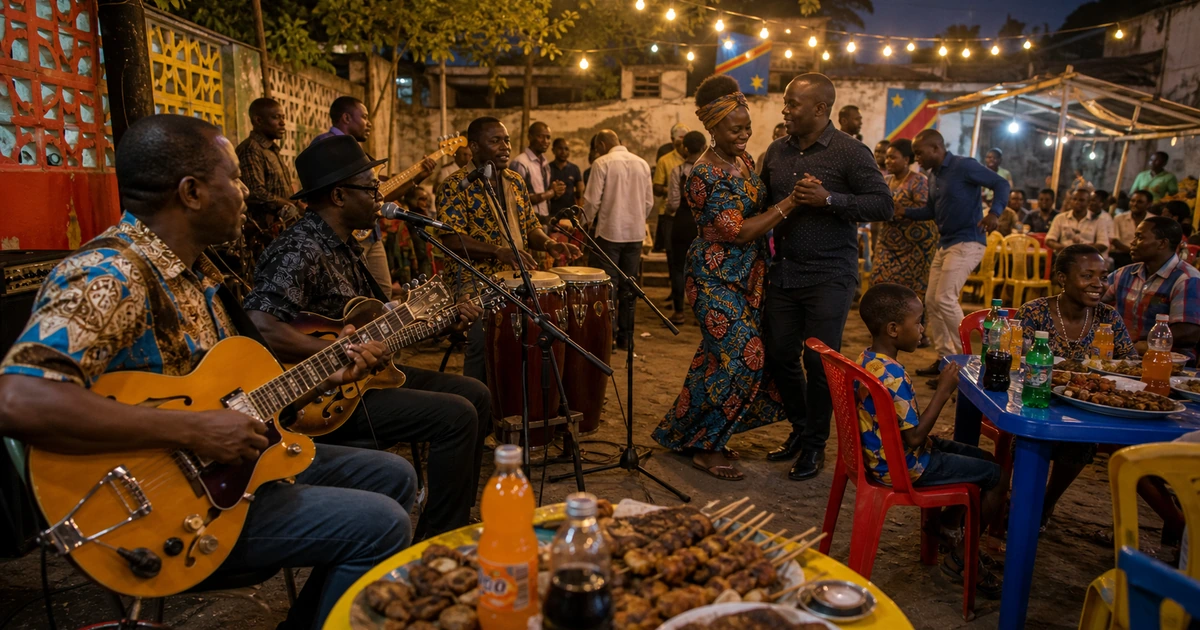
Today the day is marked with official ceremonies, concerts, flags and public addresses, especially in Kinshasa. The celebration sits alongside Congolese music, river geography, football pride and a strong awareness that the country's mineral wealth and political history remain deeply contested.
Timeline
- 1885Congo Free State placed under Leopold II
- 1960Congo becomes independent from Belgium in Kinshasa
- 1997Zaire renamed Democratic Republic of the Congo
Key figures
Stay for the event
Check-in 29 Jun, check-out 1 Jul 2027 — 2 nights around 30 June 2027. Change the dates to stay longer.
AREA
Find stays in KinshasaGetting there
- Celebratednationwide
- CapitalKinshasa
- Time zoneMultiple (UTC+1 to UTC+2)
Host country
- Currency: Congolese franc
- Language: French, Kikongo
- Driving: on the right
- Capital: Kinshasa
- Phone: +243
- Emergency: 113
- Electricity: 220 V, 50 Hz, plugs C/E
What to eat
Chicken cooked in palm-nut sauce, one of Congo's most recognised festive dishes.
Cassava or maize dough served with stews, greens and rich sauces.
Fish or meat steamed in leaves with chilli, onion and tomato.
Cassava leaves cooked with palm oil, onion and sometimes smoked fish.
Salted dried fish cooked with tomato and vegetables, often eaten with plantains.
Fried dough balls served as sweet street snacks or with beans.
What to drink
A famous Congolese lager tied to bars, music venues and urban celebrations.
Traditional distilled spirit made from maize or cassava in some regions.
Sweet, sharp ginger drink served cold at markets and family gatherings.
Culture & traditions
Lumumba remains the defining independence figure in speeches, murals and public memory.
UNESCO-listed rumba gives national celebrations a sound recognised across Africa.
The river shapes Kinshasa, trade, imagination and the scale of the country.
The capital's bands, dance halls and studios drive modern Congolese culture.
Coming years
Democratic Republic of the Congo National Day 2028
- Friday 30 June 2028Next event date
Democratic Republic of the Congo National Day 2029
- Saturday 30 June 2029Event date
Democratic Republic of the Congo National Day 2030
- Sunday 30 June 2030Event date