Day of German Unity 2027


More National days
National days topic
Return to the National days index for related events.
About the event
Reunification brought economic and social challenges that are still worked through today — the inner German border may be gone, but differences in income, infrastructure and cultural outlook between east and west persist.
The symbol of German reunification — the gate in Berlin divided East and West and was at the centre of the Wall's fall.
Why this day
On 3 October 1990, East and West Germany were officially reunited into a single sovereign state for the first time since 1945. The date marks the accession of the five eastern German states to the Federal Republic of Germany — an event that followed the fall of the Berlin Wall on 9 November 1989 and the subsequent collapse of the East German state.
German reunification was one of the defining moments of 20th-century European history. After 45 years of division — reinforced by the Iron Curtain, the Berlin Wall and two sharply different political and economic systems — the two Germanys merged with remarkable speed. The Monetary, Economic and Social Union took effect on 1 July 1990; political reunification followed on 3 October.
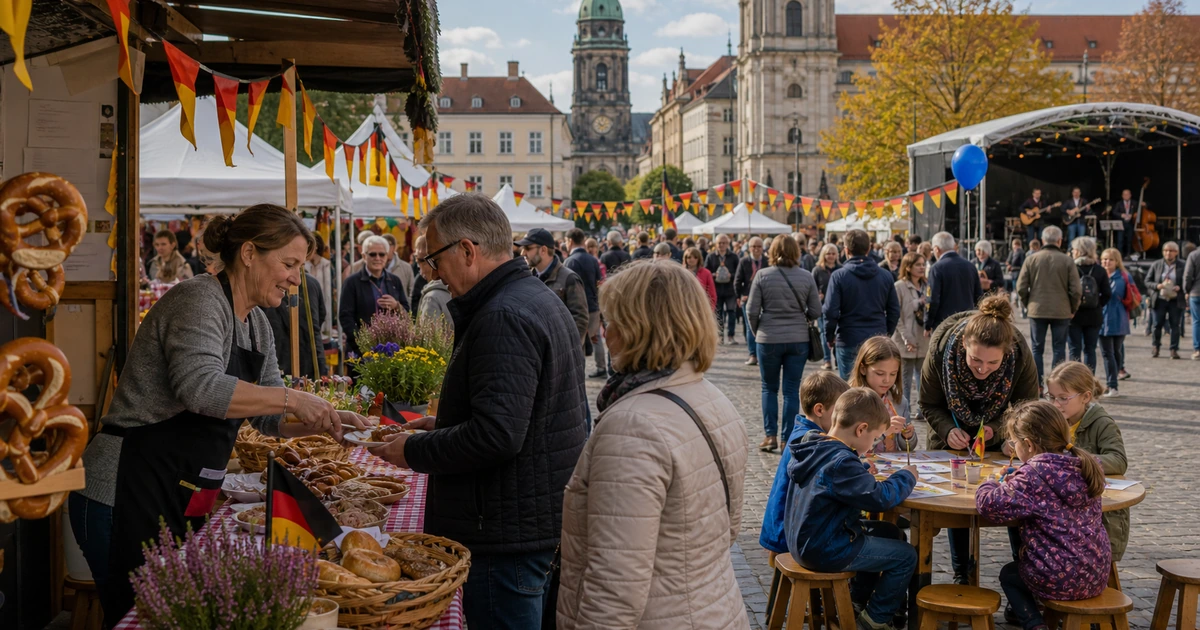
The Day of German Unity is marked with official celebrations that rotate each year between the 16 German states. A central ceremony with the federal president, chancellor and leaders of all states is held in whichever city is presiding. The evening brings concerts, fireworks and public gatherings.
Germans mark the day with pride but also reflection. Reunification brought economic and social challenges that are still worked through today — the inner German border may be gone, but differences in income, infrastructure and cultural outlook between east and west persist.
Timeline
- 1949Federal Republic of Germany established in the West
- 1989Fall of the Berlin Wall — German reunification begins
- 1990German reunification — East and West Germany become one state
Key figures
Stay for the event
Check-in 2 Oct, check-out 4 Oct 2026 — 2 nights around 3 October 2026. Change the dates to stay longer.
AREA
Find stays in BerlinHost country
- Currency: euro
- Language: German
- Driving: on the right
- Capital: Berlin
- Phone: +49
- Emergency: 112
- Electricity: 230 V, plugs C/F
What to eat
 Bratwurst
Grilled pork sausage in a bread roll with mustard — eaten at every outdoor event and Christmas market.
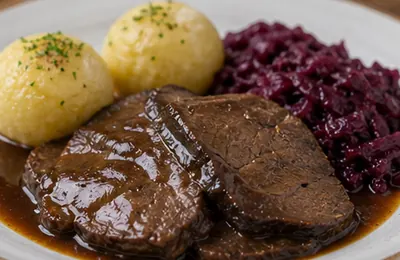 Sauerbraten
Pot-roasted beef marinated for days in vinegar and spices — served with dumplings and red cabbage.
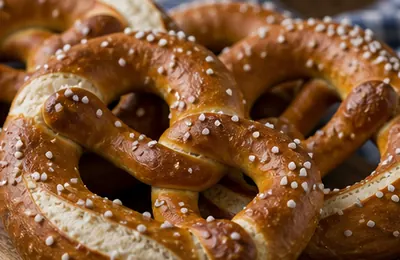 Pretzels
Thick baked dough knots with a shiny, salty crust — the quintessential German snack.
 Kartoffelsuppe
Hearty potato soup with smoked sausage — a satisfying autumn staple across Germany.
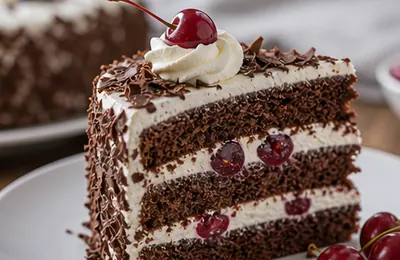 Schwarzwälder Kirschtorte
Black Forest cake — chocolate sponge layered with cherries and whipped cream.
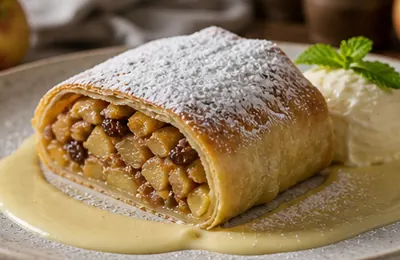 Apfelstrudel
Thin pastry filled with apple, cinnamon, raisins and breadcrumbs — shared with Austria as a beloved classic.
What to drink
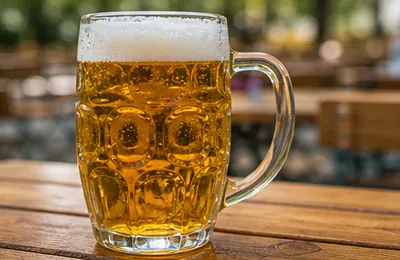 German beer
From Bavarian lagers to Cologne Kölsch and Berlin Weisse — Germany has over 1300 breweries and 5000 beer varieties.
 Riesling
Germany's finest white wine — produced in the Rhine and Mosel valleys, ranging from bone dry to nobly sweet.
 Glühwein
Mulled red wine with cinnamon, cloves and orange peel — the defining drink of German Christmas markets.
Culture & traditions
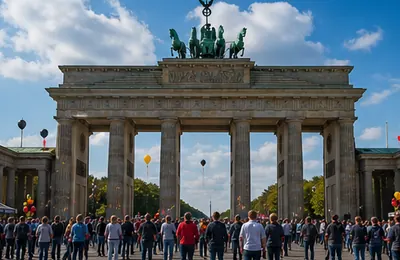 Brandenburg Gate
The symbol of German reunification — the gate in Berlin divided East and West and was at the centre of the Wall's fall.
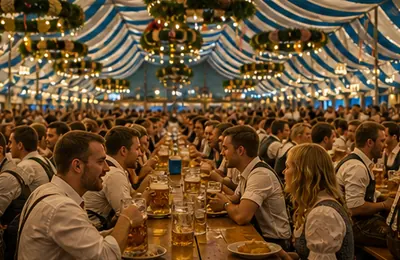 Oktoberfest
Munich's annual beer festival — the world's largest folk festival, attracting 6 million visitors each year.
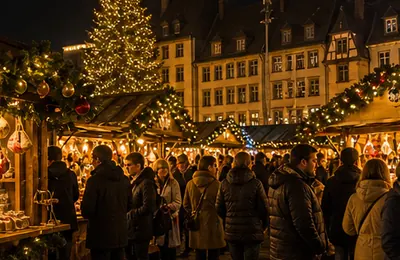 Christmas markets
Weihnachtsmärkte — Germany's Christmas markets are among Europe's most beloved winter traditions.
 Berlin clubs
Berlin's electronic music scene is one of the world's most influential — Berghain and Tresor are internationally famous.
Coming years
Day of German Unity 2028
- Tuesday 3 October 2028Next event date
Day of German Unity 2029
- Wednesday 3 October 2029Event date
Day of German Unity 2030
- Thursday 3 October 2030Event date