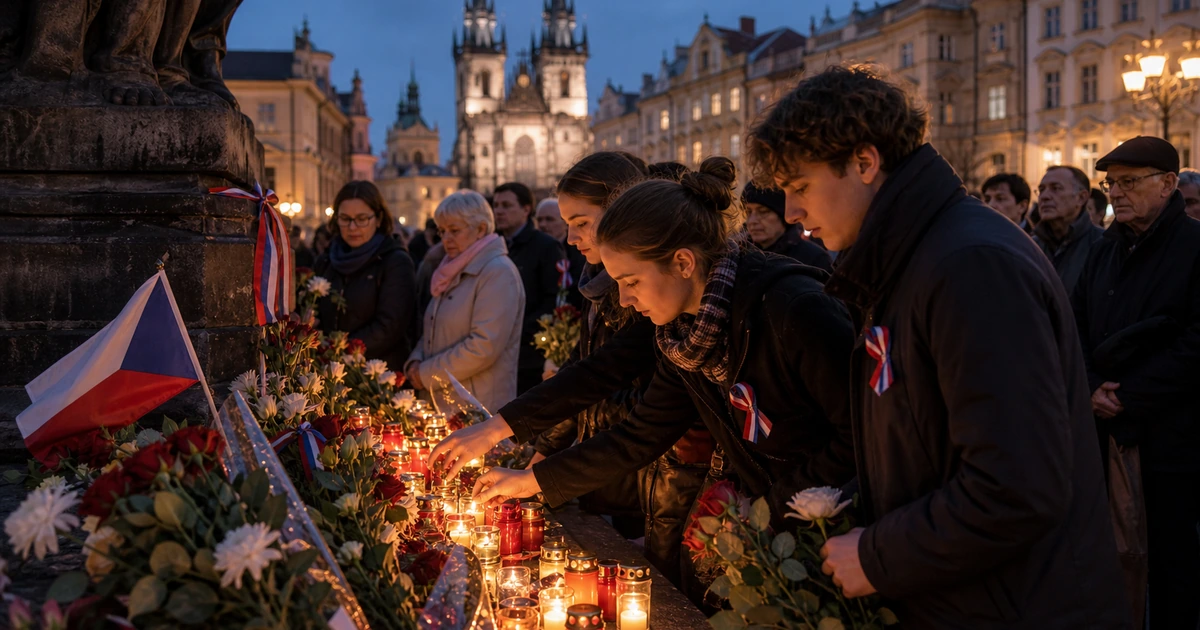
Czech Independent State Day 2026


More National days
National days topic
Return to the National days index for related events.
About the event
The choice of 28 October was in part the result of coincidence — Czech National Committee members in Prague learned of the Austrian government's offer of peace negotiations and decided to act immediately, proclaiming independence that same day.
The medieval heart of Prague — Astronomical Clock, Gothic towers and Baroque palaces surround the square.
Why this day
On 28 October 1918, the independent state of Czechoslovakia was proclaimed in Prague, ending 300 years of Habsburg rule. The announcement came as World War I was drawing to a close and the Austro-Hungarian Empire was collapsing. Tomáš Garrigue Masaryk became the first president of the new republic.
The choice of 28 October was in part the result of coincidence — Czech National Committee members in Prague learned of the Austrian government's offer of peace negotiations and decided to act immediately, proclaiming independence that same day. The date stuck and became the founding moment of modern Czech democracy.
Independent State Day is one of Czechia's most significant national holidays. It is marked with a presidential address, ceremonial wreath-laying at the statue of Wenceslas in Prague and concerts in public squares. In Prague, the day feels both solemn and celebratory — a reflection of Czech history's combination of pride and complexity.
Timeline
- 1918Czechoslovakia proclaimed as an independent republic in Prague
- 1989Velvet Revolution — peaceful end of communist rule
- 1993Czechoslovakia peacefully dissolves — Czech Republic established
Key figures
Stay for the event
Check-in 27 Oct, check-out 29 Oct 2026 — 2 nights around 28 October 2026. Change the dates to stay longer.
AREA
Find stays in PragueHost country
- Currency: Czech koruna
- Language: Czech, Slovak
- Driving: on the right
- Capital: Prague
- Phone: +420
- Emergency: 112
- Electricity: 230 V, 50 Hz, plugs C/E
What to eat
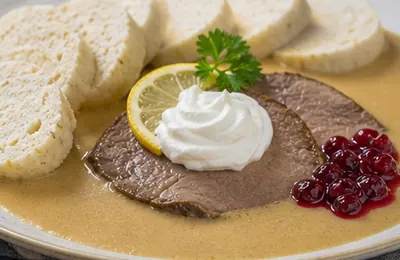 Svíčková
Slow-braised beef sirloin in a root vegetable cream sauce, served with bread dumplings and cranberry jam.
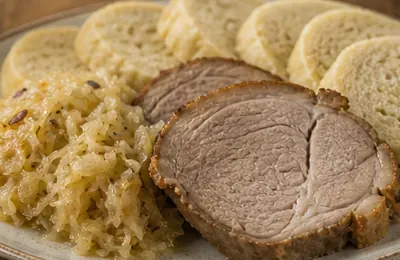 Vepřo-knedlo-zelo
Roast pork with bread dumplings and braised sauerkraut — the Czech national dish in three words.
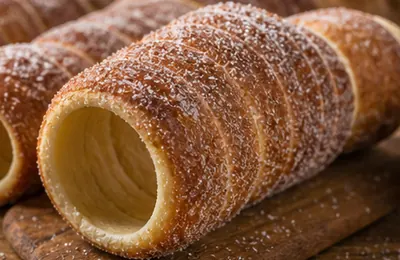 Trdelník
Spit-roasted dough wrapped around a cone, caramelised with sugar and walnuts — a popular street treat.
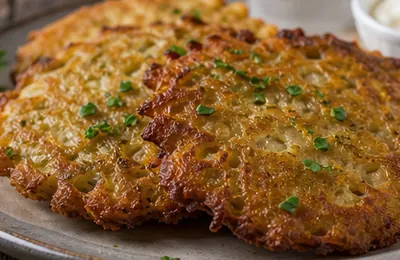 Bramboráky
Czech potato pancakes fried with marjoram and garlic — served at markets and celebrations.
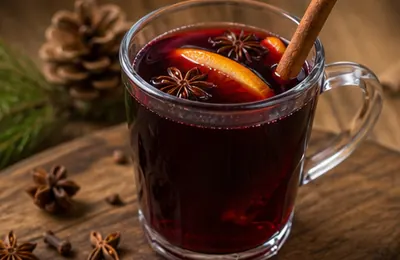 Svařák
Mulled wine — spiced with cinnamon and cloves, sold in ceramic mugs at outdoor fairs in autumn.
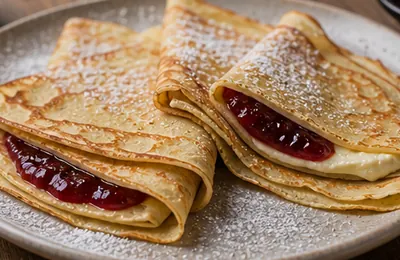 Palačinky
Thin Czech crêpes filled with jam, cream or Nutella — a popular dessert served across the country.
What to drink
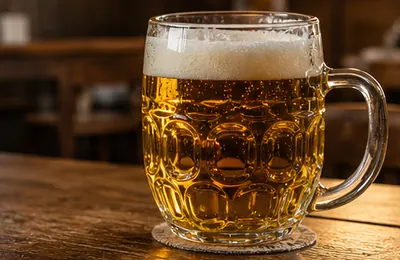 Czech pilsner
Pilsner Urquell from Plzeň was the world's first golden lager — Czech beer is widely considered the world's best.
 Becherovka
Czech herbal liqueur from Karlovy Vary — drunk as a digestif or mixed with tonic water.
 Kofola
Czech cola invented during communism — less sweet than Coca-Cola and still the favourite soft drink.
Culture & traditions
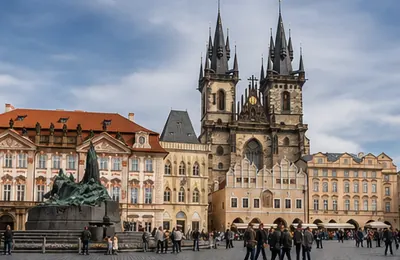 Prague Old Town Square
The medieval heart of Prague — Astronomical Clock, Gothic towers and Baroque palaces surround the square.
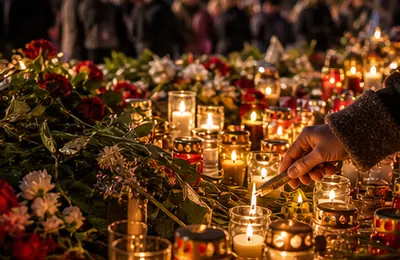 Velvet Revolution memory
28 October is linked in public memory to 1989 — Wenceslas Square is where the Velvet Revolution was declared.
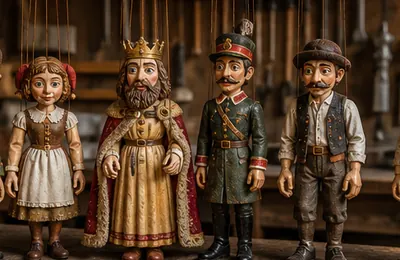 Czech marionette tradition
Czech puppet theatre is UNESCO-listed — marionette festivals are held in Prague and across the country.
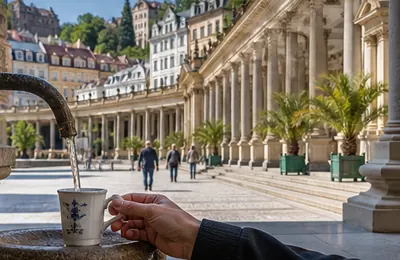 Spa towns
Karlovy Vary and Mariánské Lázně are among Europe's grandest spa towns — the Czech spa cure tradition is UNESCO-listed.
Coming years
Czech Independent State Day 2027
- Thursday 28 October 2027Next event date
Czech Independent State Day 2028
- Saturday 28 October 2028Event date
Czech Independent State Day 2029
- Sunday 28 October 2029Event date