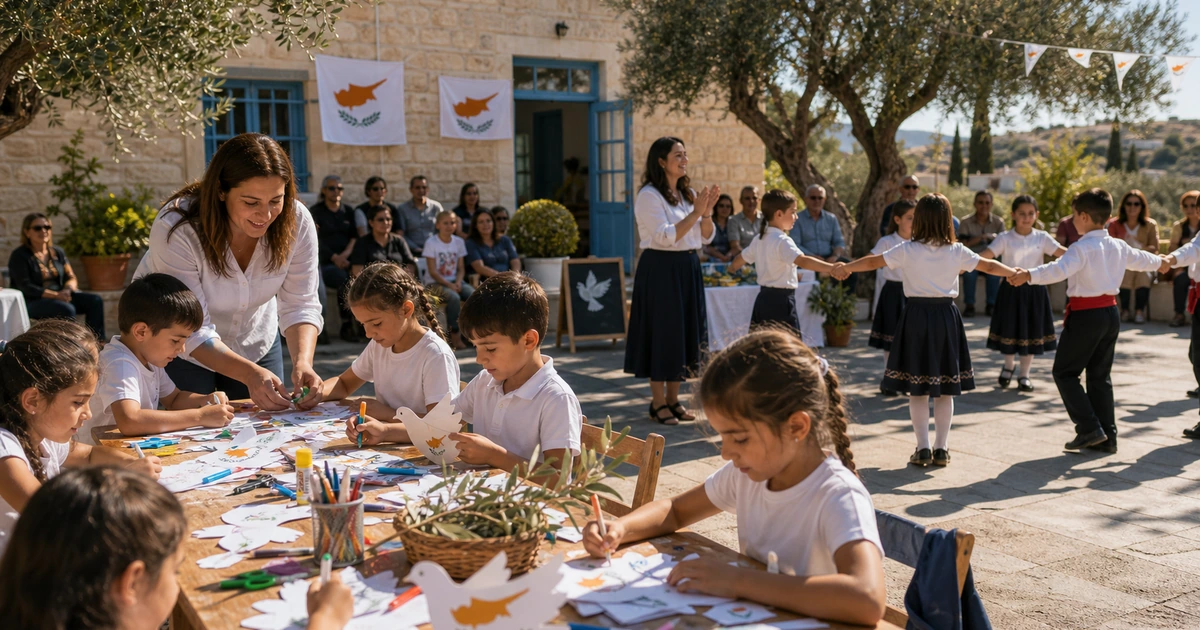
Cyprus Independence Day 2027

More National days
National days topic
Return to the National days index for related events.
About the event
Political crises in the early 1960s led to violence, UN peacekeeping intervention, and ultimately the Turkish military intervention in 1974, which divided the island along the Green Line that still exists today.
The mythological birthplace of Aphrodite on the south coast — a pilgrimage site and iconic landmark.
Why this day
On 1 October 1960, Cyprus gained independence from Britain after 82 years of colonial rule. The Republic of Cyprus was proclaimed with Archbishop Makarios III as its first president. The date marks the end of a long struggle for self-determination that had included the EOKA armed campaign of the 1950s.
Cyprus's path to independence was complicated by the island's mixed Greek Cypriot and Turkish Cypriot population. The independence agreements — the Zurich and London Accords — created a power-sharing constitution that proved difficult to implement. Political crises in the early 1960s led to violence, UN peacekeeping intervention, and ultimately the Turkish military intervention in 1974, which divided the island along the Green Line that still exists today.
Cyprus Independence Day is marked in Nicosia with a military parade and official ceremonies attended by the president. The day celebrates the republic's founding while acknowledging the ongoing division of the island. Cultural events, concerts and flag displays take place across the government-controlled southern area.
Timeline
- 1878Britain takes control of Cyprus from Ottoman Empire
- 1960Cyprus gains independence from Britain — Republic of Cyprus established
- 1974Turkish military intervention — island divided to this day
Key figures
Stay for the event
Check-in 30 Sep, check-out 2 Oct 2026 — 2 nights around 1 October 2026. Change the dates to stay longer.
AREA
Find stays in NicosiaGetting there
- Celebratednationwide
- CapitalNicosia
- Time zoneEET (UTC+2)
Host country
- Currency: euro
- Language: Greek, Turkish
- Driving: on the left
- Capital: Nicosia
- Phone: +357
- Emergency: 112
- Electricity: 240 V, 50 Hz, plugs G
What to eat
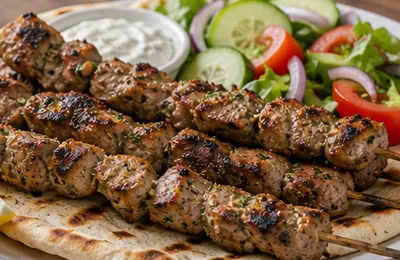 Souvlaki
Skewers of grilled pork or chicken marinated in lemon and oregano — eaten in pitta or on a plate.
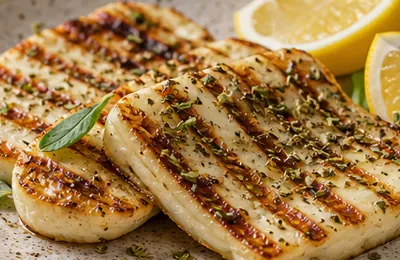 Halloumi
Cyprus's famous semi-hard white cheese — grilled or pan-fried until golden, served at every meal.
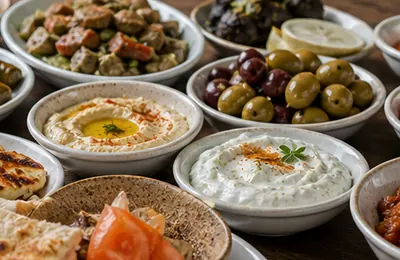 Meze
MezeAn extensive spread of dozens of small dishes — dips, grilled meats, seafood and vegetables.
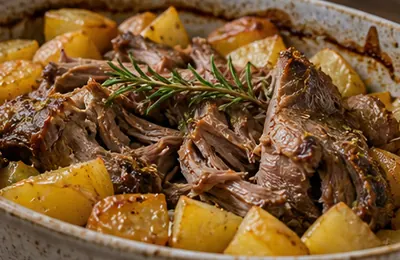 Kleftiko
Slow-roasted lamb sealed in parchment or a clay oven — fork-tender after hours of cooking.
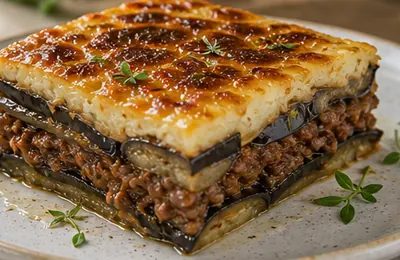 Moussaka
Layers of aubergine, potato and spiced minced lamb topped with béchamel — a Cypriot celebration dish.
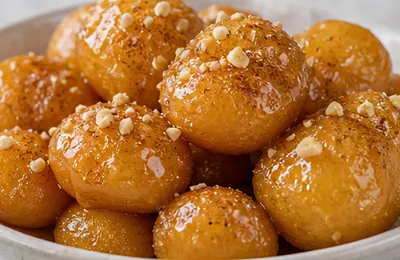 Loukoumades
Honey-soaked deep-fried dough balls dusted with cinnamon — sold at festivals and street fairs.
What to drink
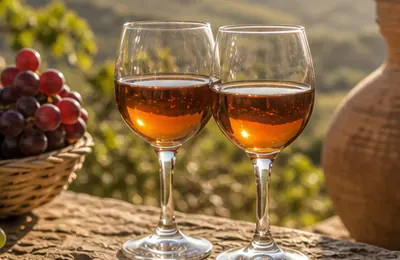 Commandaria
Ancient sweet wine from dried grapes grown on the southern slopes of the Troodos mountains — possibly the world's oldest named wine.
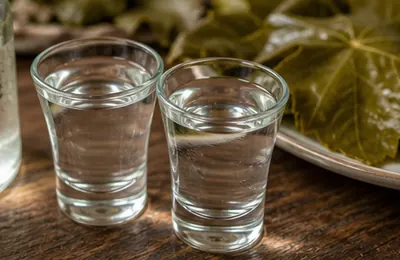 Zivania
Cypriot grape pomace spirit — clear, strong and drunk in small glasses as a digestif.
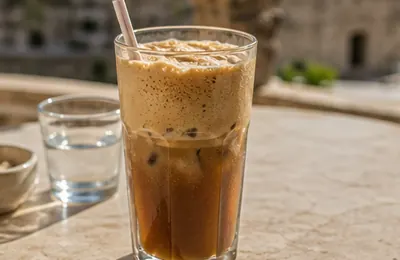 Frappe
Foam-topped instant iced coffee — the ubiquitous Cypriot café drink, consumed year-round.
Culture & traditions
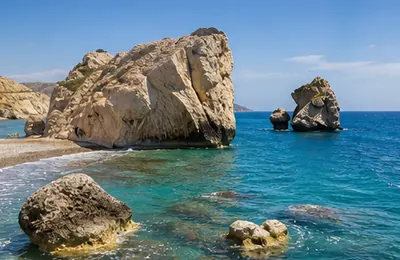 Aphrodite's Rock
The mythological birthplace of Aphrodite on the south coast — a pilgrimage site and iconic landmark.
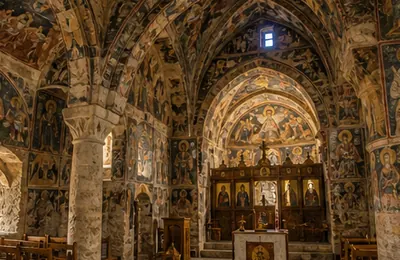 Byzantine churches
The Troodos mountains contain 10 UNESCO-listed painted Byzantine churches from the 11th-16th centuries.
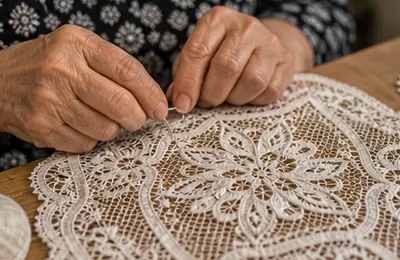 Lace-making
Lefkara village is famous for its silver jewellery and intricate lace — Leonardo da Vinci reportedly visited to buy a cloth.
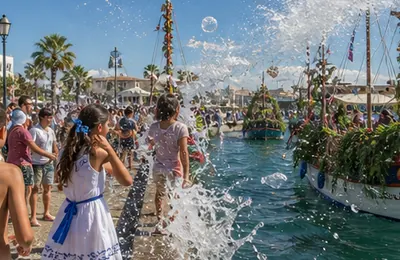 Kataklysmos festival
The Festival of the Flood — celebrated 50 days after Easter with water games, music and folk dancing at the seaside.
Coming years
Cyprus Independence Day 2028
- Sunday 1 October 2028Next event date
Cyprus Independence Day 2029
- Monday 1 October 2029Event date
Cyprus Independence Day 2030
- Tuesday 1 October 2030Event date