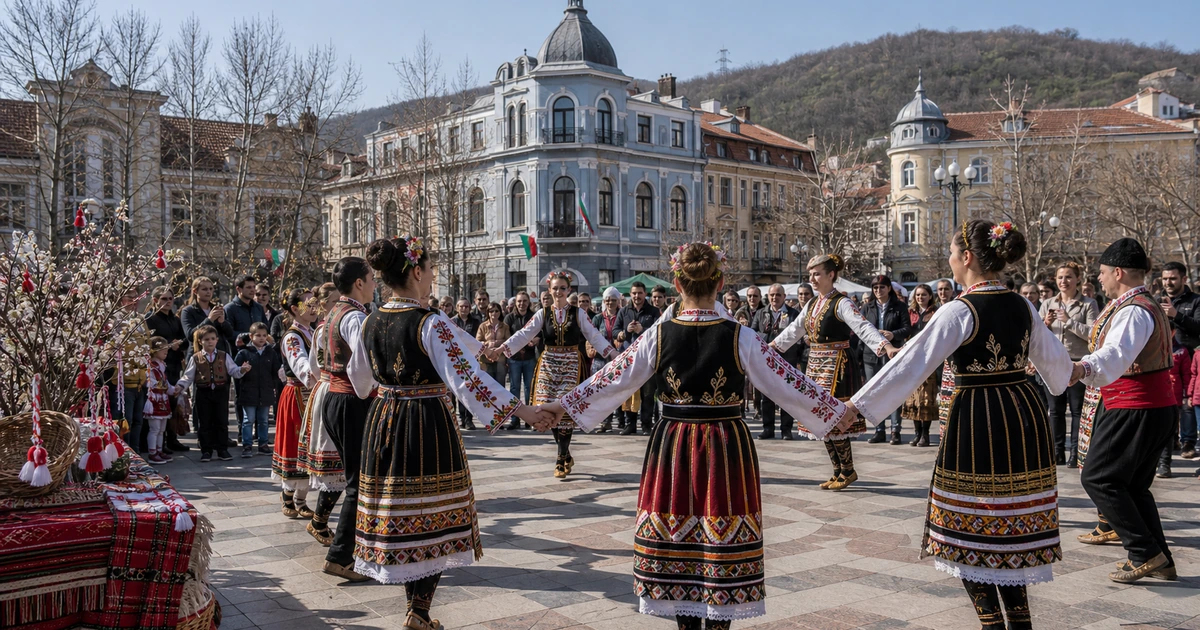
Bulgaria Liberation Day 2027


More National days
National days topic
Return to the National days index for related events.
About the event
Resistance movements persisted through the centuries, culminating in the April Uprising of 1876 — brutally suppressed, but which drew international attention and ultimately led Russia to declare war on the Ottoman Empire in April 1877.
Bulgaria's most important national ceremony — held at the Shipka Memorial church on the mountain pass where liberation battles were fought.
Why this day
On 3 March 1878, the Treaty of San Stefano was signed between Russia and the Ottoman Empire, ending the Russo-Turkish War and establishing the Principality of Bulgaria as an autonomous state. The date marks Bulgaria's liberation from nearly 500 years of Ottoman rule and is the country's most important national holiday.
Bulgaria had been under Ottoman domination since 1396, when the Second Bulgarian Empire fell. Resistance movements persisted through the centuries, culminating in the April Uprising of 1876 — brutally suppressed, but which drew international attention and ultimately led Russia to declare war on the Ottoman Empire in April 1877.
Liberation Day is marked with a solemn ceremony at the Shipka Pass — where one of the decisive battles of the Liberation War was fought — and with celebrations across the country. The day combines pride in the Russian military assistance that made liberation possible with Bulgarian national identity and cultural heritage.
Timeline
- 1878Treaty of San Stefano — Russia defeats Ottoman Empire, Bulgaria liberated
- 1879First Bulgarian constitution adopted — the Tarnovo Constitution
- 1908Bulgaria declares full independence from the Ottoman Empire
Key figures
Stay for the event
Check-in 2 Mar, check-out 4 Mar 2027 — 2 nights around 3 March 2027. Change the dates to stay longer.
AREA
Find stays in SofiaHost country
- Currency: Bulgarian lev
- Language: Bulgarian
- Driving: on the right
- Capital: Sofia
- Phone: +359
- Emergency: 112
- Electricity: 230 V, 50 Hz, plugs C/F
What to eat
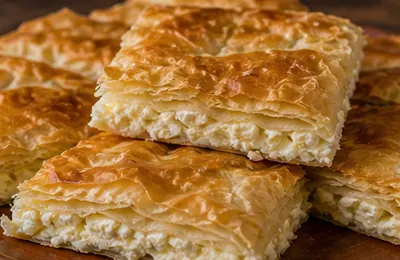 Banitsa
Flaky pastry filled with white brine cheese and egg — eaten for breakfast and at every celebration.
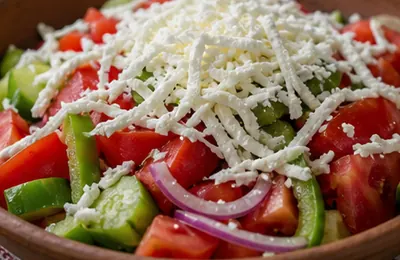 Shopska salad
Fresh tomatoes, cucumber, roasted peppers and white cheese — Bulgaria's best-known salad, in the national colours.
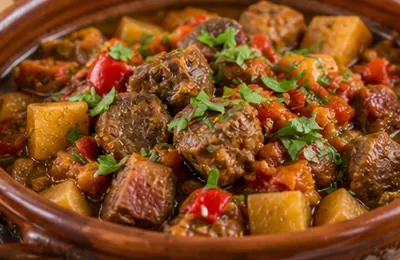 Kavarma
Slow-cooked pork or chicken with onion and peppers in a clay pot — a traditional Bulgarian stew.
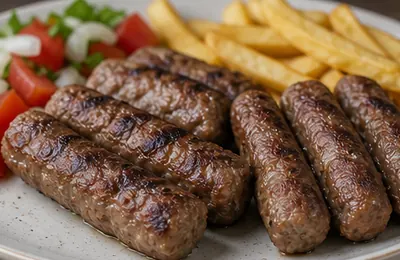 Kebapche
Grilled minced pork rolls seasoned with cumin and black pepper — popular at outdoor gatherings.
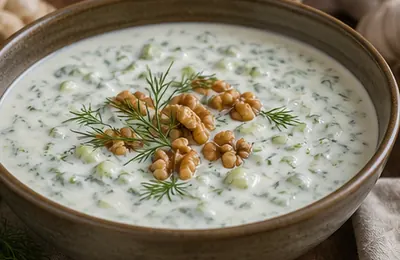 Tarator
Cold cucumber and yogurt soup with garlic and dill — refreshing and quintessentially Bulgarian.
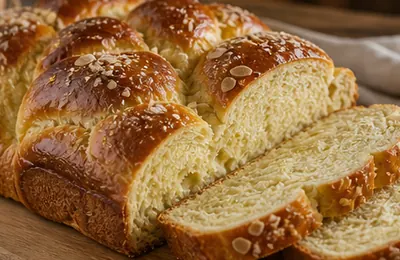 Kozunak
Sweet braided bread enriched with eggs and raisins — baked for national celebrations and Easter.
What to drink
 Rakia
RakiaBulgarian grape or plum brandy — the most widely consumed spirit, home-distilled across the country.
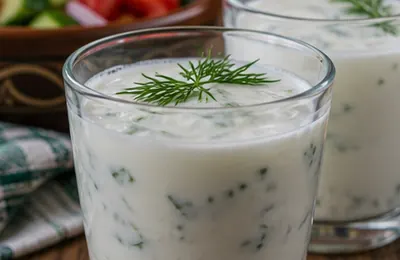 Ayran
AyranCold salted yogurt drink — consumed with meals and popular throughout the warmer months.
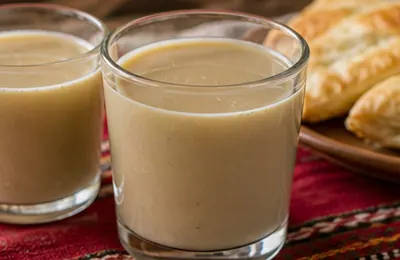 Boza
BozaFermented wheat drink — thick, slightly sweet and mildly fizzy, sold at kiosks in Sofia.
Culture & traditions
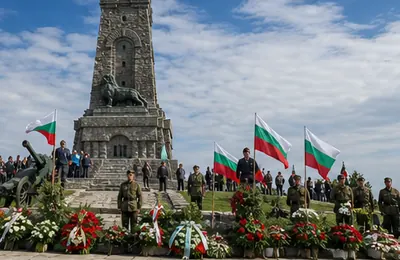 Shipka Pass ceremony
Bulgaria's most important national ceremony — held at the Shipka Memorial church on the mountain pass where liberation battles were fought.
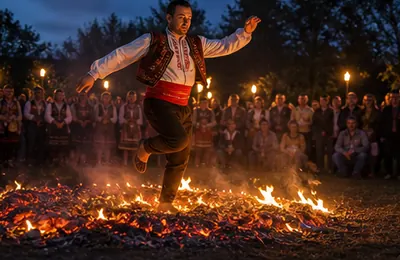 Nestinarstvo fire dancing
Ancient folk ritual where barefoot dancers walk on hot embers — performed at festivals in the Strandzha mountains.
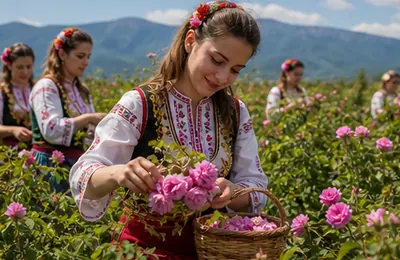 Rose Festival
Bulgaria produces 70% of the world's rose oil — the Rose Festival in Kazanlak each June celebrates the harvest.
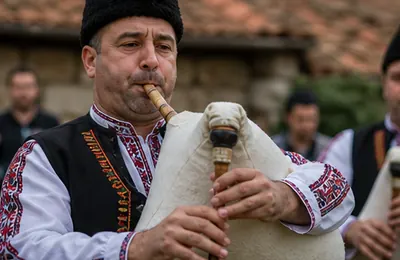 Gaida bagpipe music
The Bulgarian bagpipe is central to folk music — its complex melodies are performed at all national events.
Coming years
Bulgaria Liberation Day 2028
- Friday 3 March 2028Next event date
Bulgaria Liberation Day 2029
- Saturday 3 March 2029Event date
Bulgaria Liberation Day 2030
- Sunday 3 March 2030Event date