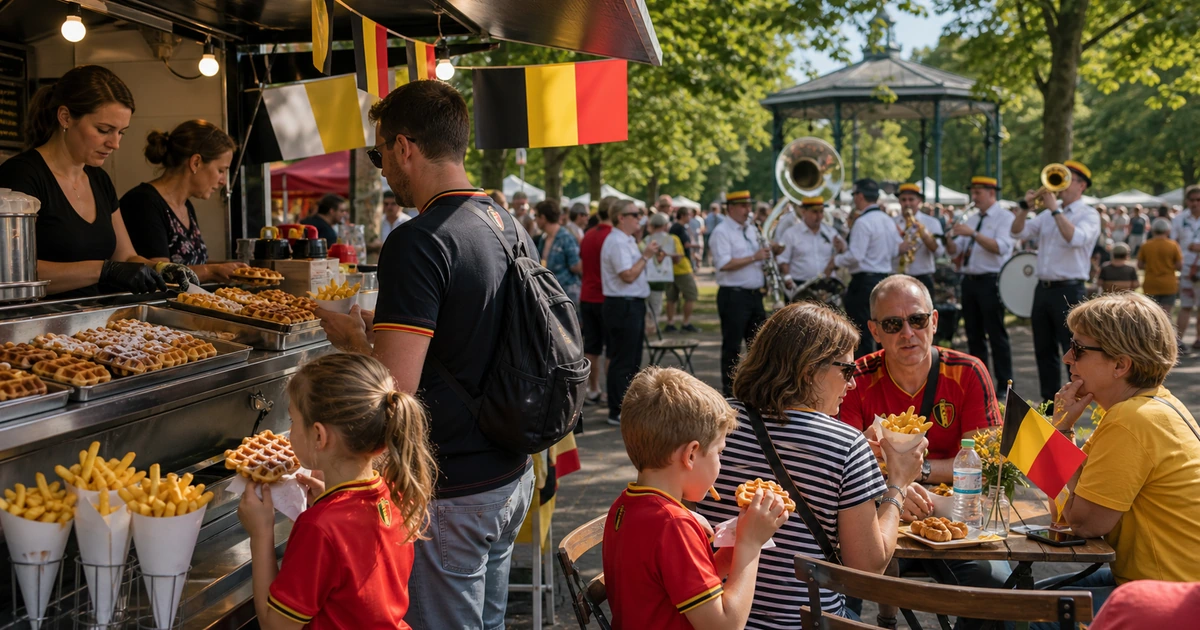
Belgian National Day 2027


More National days
National days topic
Return to the National days index for related events.
About the event
Why Belgium celebrates 21 July On 21 July 1831, Leopold of Saxe-Coburg took the oath as the first King of the Belgians in Brussels, formally establishing the independent Belgian state.
The royal family attends the parade on the Boulevard du Régent — the central annual ceremony of the Belgian state.
Why this day
On 21 July 1831, Leopold of Saxe-Coburg took the oath as the first King of the Belgians in Brussels, formally establishing the independent Belgian state. The date marks the culmination of the Belgian Revolution of 1830, in which a popular uprising — sparked partly by an opera performance — led to separation from the United Kingdom of the Netherlands.
The revolution had its roots in economic and cultural tensions between the Catholic, predominantly French-speaking south and the Protestant, Dutch-speaking north. Belgium had been united with the Netherlands at the Congress of Vienna in 1815, but the arrangement proved unstable. When fighting broke out in Brussels in August 1830, it quickly spread and the Dutch army withdrew.
Belgian National Day is celebrated with a military parade on the Boulevard du Régent in Brussels, attended by the royal family. The evening brings fireworks at the Atomium and free open-air concerts across the country. The day is one of the few occasions that unites Dutch-speakers, French-speakers and the German-speaking community in shared celebration.
Timeline
- 1831Leopold I takes oath as first King of the Belgians
- 1830Belgian Revolution — independence from the Netherlands
- 1993Belgium becomes a federal state
Stay for the event
Check-in 20 Jul, check-out 22 Jul 2027 — 2 nights around 21 July 2027. Change the dates to stay longer.
AREA
Find stays in BrusselsGetting there
- Celebratednationwide
- CapitalBrussels
- Time zoneCET (UTC+1)
Host country
- Currency: euro
- Language: German, French
- Driving: on the right
- Capital: Brussels
- Phone: +32
- Emergency: 112
- Electricity: 230 V, 50 Hz, plugs C/E
What to eat
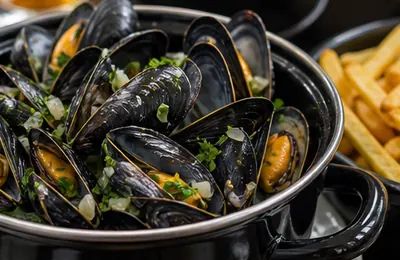 Moules-frites
Steamed mussels in white wine and shallots served with a mountain of thin crispy fries — Belgium's national dish.
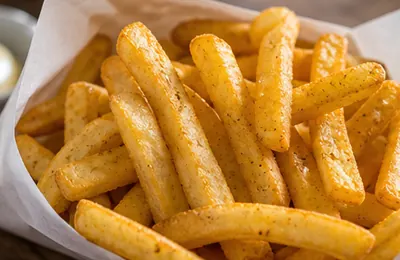 Belgian fries
Double-fried in beef fat and served in paper cones with sauce andalouse or mayonnaise — the original fries.
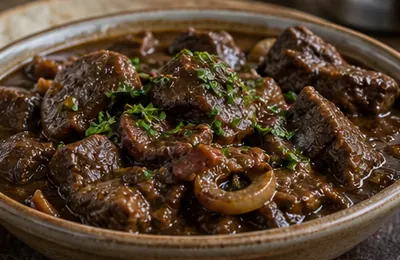 Carbonnade flamande
Rich beef stew slow-cooked in Belgian dark ale with thyme and bay leaves.
 Waterzooi
Creamy chicken or fish stew from Ghent — vegetables simmered in broth with cream.
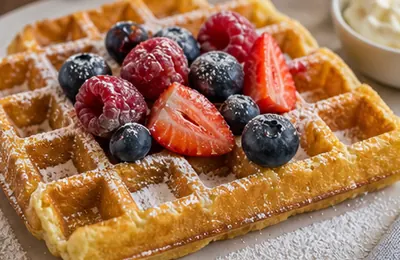 Belgian waffle
Two kinds: the Brussels waffle (rectangular, airy) and the Liège waffle (denser, pearl sugar embedded).
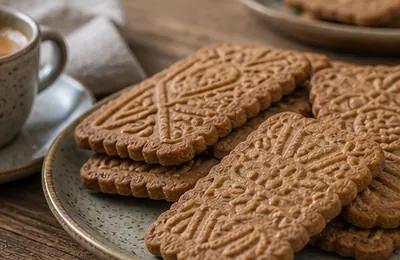 Speculoos
Spiced shortcrust biscuits flavoured with cinnamon, nutmeg and ginger — eaten year-round.
What to drink
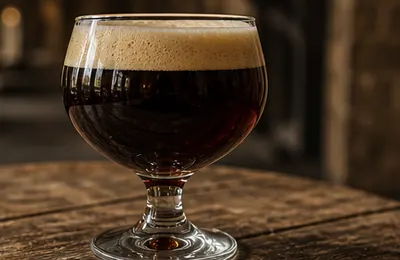 Belgian Trappist beer
Chimay, Rochefort, Westmalle — some of the world's greatest beers brewed by monks in Belgian abbeys.
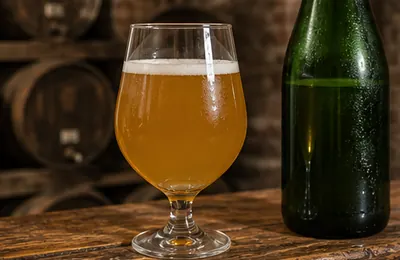 Gueuze
Spontaneously fermented lambic beer from Brussels — tart, complex and unique to the Senne valley.
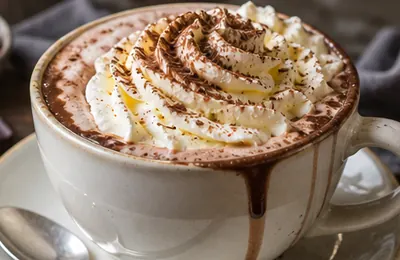 Belgian hot chocolate
Thick, dark drinking chocolate made from real couverture — served in Brussels cafés year-round.
Culture & traditions
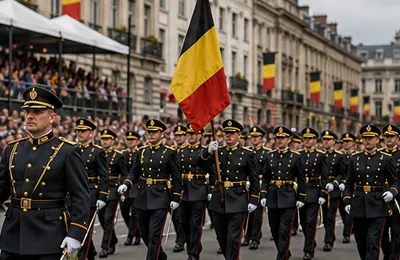 Military parade
The royal family attends the parade on the Boulevard du Régent — the central annual ceremony of the Belgian state.
 Belgian chocolate
Belgium produces some of the world's finest chocolate — pralines were invented here in 1912.
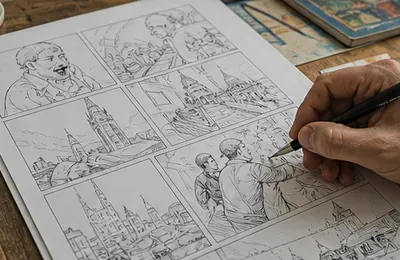 Comic strip art
Belgium is the birthplace of Tintin, the Smurfs and Lucky Luke — Brussels has a Comic Strip Route through the city.
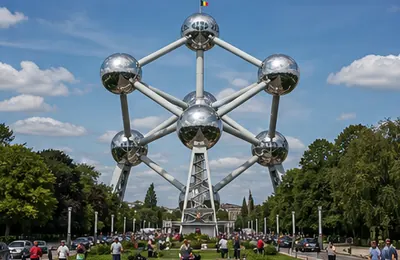 Atomium
The landmark steel atom structure built for the 1958 World's Fair — lit up for fireworks on National Day.
Coming years
Belgian National Day 2028
- Friday 21 July 2028Next event date
Belgian National Day 2029
- Saturday 21 July 2029Event date
Belgian National Day 2030
- Sunday 21 July 2030Event date