Belarus Independence Day 2027


More National days
National days topic
Return to the National days index for related events.
About the event
Unlike most post-Soviet states, Belarus chose a date tied to the Great Patriotic War rather than the declaration of sovereignty in 1991, reflecting the country's deep emotional bond with Soviet-era memory.
3 July is linked to the liberation of Minsk — memorial ceremonies and wreath-laying take place at wartime monuments.
Why this day
Belarus celebrates Independence Day on 3 July — the date in 1944 when Soviet forces liberated Minsk from Nazi German occupation during World War II. Unlike most post-Soviet states, Belarus chose a date tied to the Great Patriotic War rather than the declaration of sovereignty in 1991, reflecting the country's deep emotional bond with Soviet-era memory.
The occupation of Belarus by Nazi Germany from 1941 to 1944 was one of the most devastating in European history. More than two million people — roughly a quarter of the population — died. Hundreds of villages were burned with their inhabitants inside. The liberation of Minsk on 3 July 1944 marked the beginning of the end of occupation.
The holiday is marked with a large military parade in Minsk, fireworks displays and patriotic concerts. The celebration has a solemn undertone — 3 July is inseparable from the memory of suffering and resistance that preceded liberation.
Timeline
- 1944Soviet forces liberate Minsk from Nazi occupation on 3 July
- 1991Belarus declares independence from the Soviet Union
- 1996Independence Day moved to 3 July under Alexander Lukashenko
Stay for the event
Check-in 2 Jul, check-out 4 Jul 2027 — 2 nights around 3 July 2027. Change the dates to stay longer.
AREA
Find stays in MinskGetting there
- Celebratednationwide
- CapitalMinsk
- Time zoneFET (UTC+3)
Host country
- Currency: Belarusian ruble
- Language: Belarusian, Russian
- Driving: on the right
- Capital: Minsk
- Phone: +375
- Emergency: 101
- Electricity: 230 V, 50 Hz, plugs C/F
What to eat
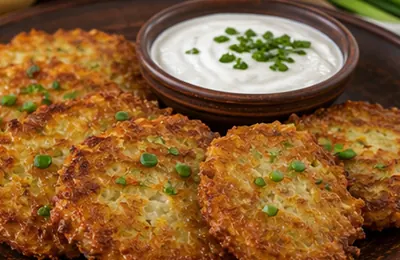 Draniki
Potato pancakes fried until golden and served with smetana sour cream — the national dish of Belarus.
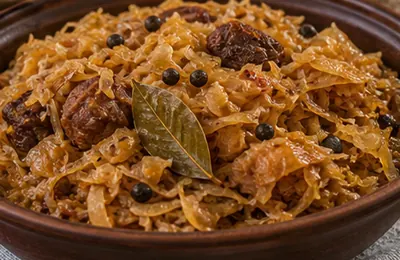 Bigos
BigosHunter's stew of sauerkraut, fresh cabbage and various smoked meats — a winter staple.
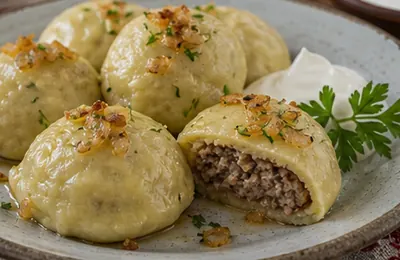 Kolduny
Potato dumplings stuffed with minced pork and onion — similar to pierogi but with a potato dough.
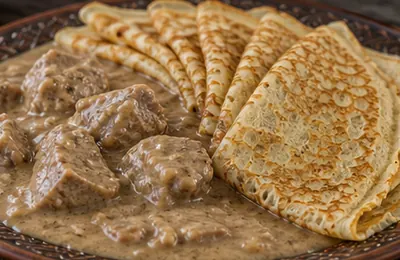 Machanka
Thick pork gravy with sausage and smoked meat, served over pancakes — a festive dish.
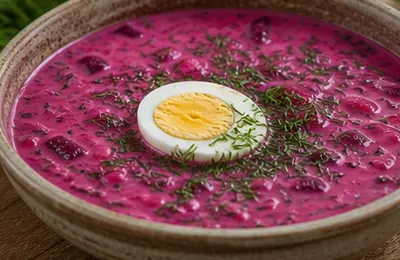 Kholodnik
Cold beet soup with cucumber, egg and dill — a summer classic across Belarus.
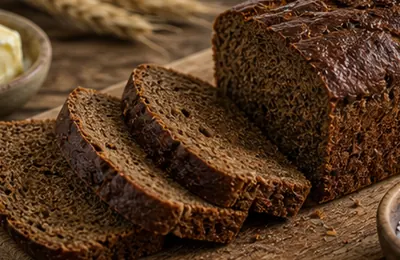 Black bread
Dense, tangy sourdough rye bread — eaten at every meal and central to Belarusian food culture.
What to drink
 Krupnik
Belarusian honey and grain vodka — spiced with herbs, warm or cold.
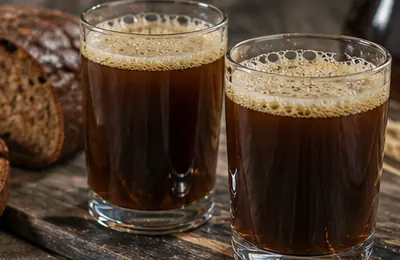 Kvass
KvassFermented rye bread drink — slightly sour, mildly alcoholic and sold from tanks on Minsk streets in summer.
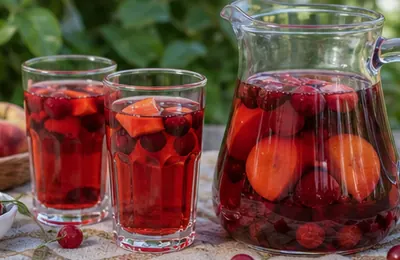 Kompot
Stewed fruit drink — made from berries, plums or apples, served cold in summer.
Culture & traditions
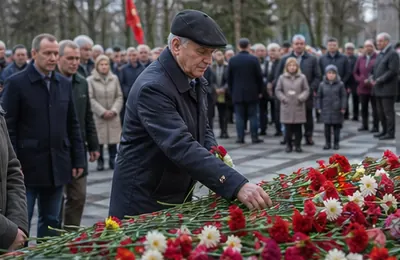 Victory Day heritage
3 July is linked to the liberation of Minsk — memorial ceremonies and wreath-laying take place at wartime monuments.
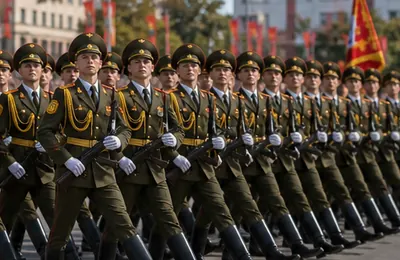 Military parade
Minsk's Independence Avenue hosts a large military parade with troops, armour and aircraft.
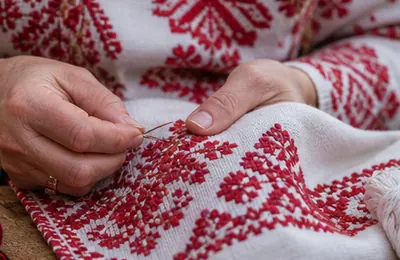 Traditional embroidery
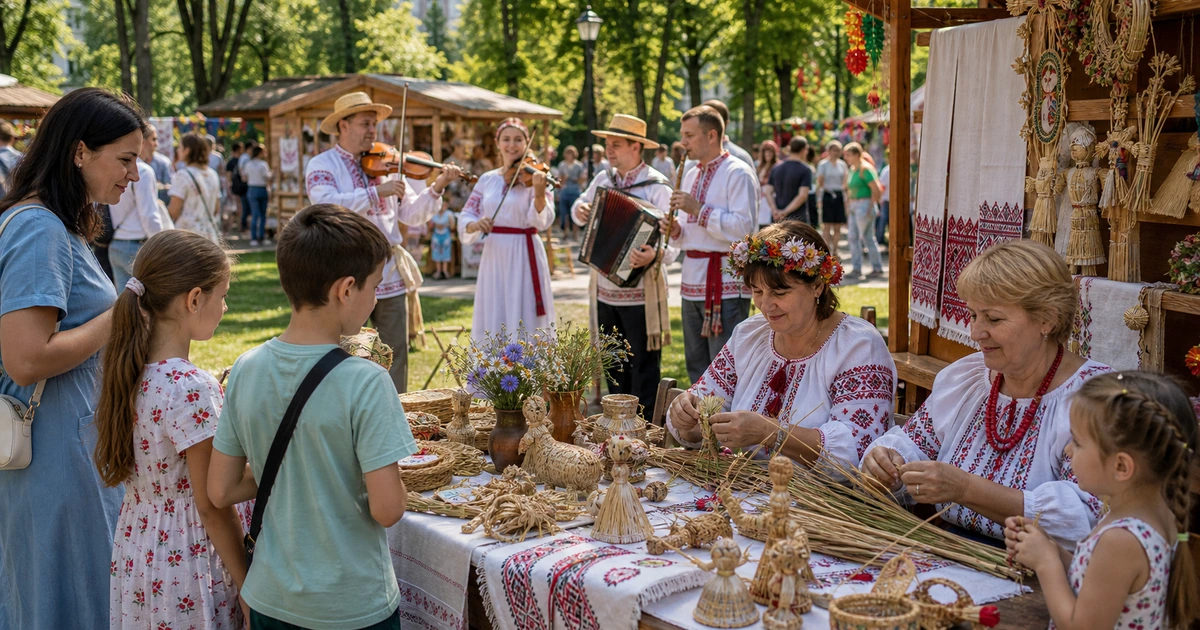
The ruschnick — the decorated linen cloth — appears at ceremonies, weddings and national events as a symbol of identity.
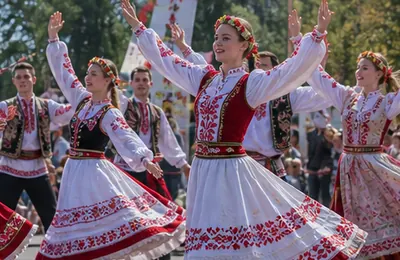 Folk festivals
Kupalle — a midsummer fire festival with folk singing, dancing and jumping over bonfires — is held around Independence Day.
Coming years
Belarus Independence Day 2028
- Monday 3 July 2028Next event date
Belarus Independence Day 2029
- Tuesday 3 July 2029Event date
Belarus Independence Day 2030
- Wednesday 3 July 2030Event date