Austria National Day 2026


More National days
National days topic
Return to the National days index for related events.
About the event
Why Austria celebrates 26 October On 26 October 1955, Austria passed the Constitutional Law on Permanent Neutrality, committing the country to remaining outside all military alliances.
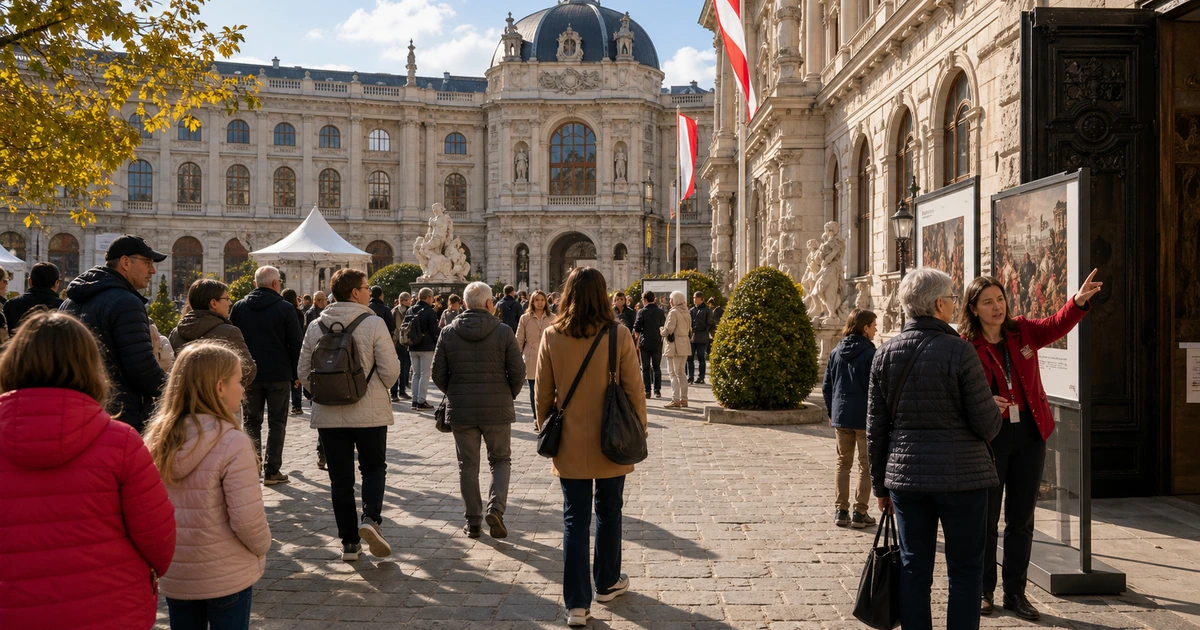
The military and emergency services open their equipment to the public on the vast Heldenplatz in central Vienna.
Why this day
On 26 October 1955, Austria passed the Constitutional Law on Permanent Neutrality, committing the country to remaining outside all military alliances. It was the date chosen to mark Austrian National Day because it represents the foundation of modern Austria as an independent, sovereign and neutral state.
The background to this law is the State Treaty signed earlier that year on 15 May 1955, which ended ten years of Allied occupation after World War II. Austria had been occupied by French, British, American and Soviet forces since 1945. The State Treaty brought this to an end and restored full sovereignty — on the condition that Austria declare neutrality, which it did in October.
Austria National Day is marked by a military display on Heldenplatz in Vienna, where the army, police, fire brigade and other services demonstrate their equipment and skills to the public. The event draws hundreds of thousands of visitors each year. Parliament and other public buildings are also opened to the public free of charge.
Timeline
- 1278Habsburg dynasty begins its rule over Austria
- 1918First Austrian Republic proclaimed after World War I
- 1955Austria declares permanent neutrality — still celebrated today
Key figures
Stay for the event
Check-in 25 Oct, check-out 27 Oct 2026 — 2 nights around 26 October 2026. Change the dates to stay longer.
AREA
Find stays in ViennaGetting there
- Celebratednationwide
- CapitalVienna
- Time zoneCET / CEST
Host country
- Currency: euro
- Language: German
- Driving: on the right
- Capital: Vienna
- Phone: +43
- Emergency: 112
- Electricity: 230 V, 50 Hz, plugs C/F
What to eat
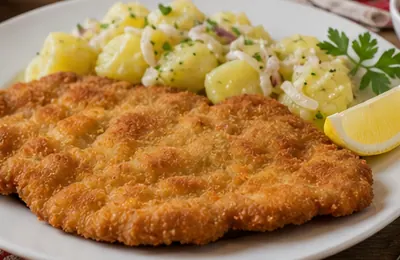 Wiener Schnitzel
Breaded and fried veal escalope — Austria's most famous dish, served with potato salad or parsley potatoes.
 Tafelspitz
Prime boiled beef served with horseradish cream and apple sauce — a Viennese classic.
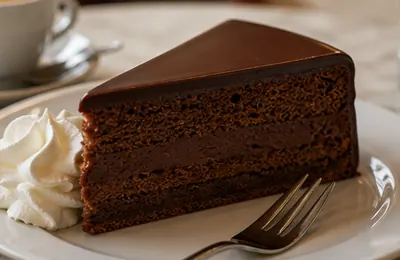 Sachertorte
Dense chocolate cake with apricot jam glaze — invented at Hotel Sacher in Vienna in 1832.
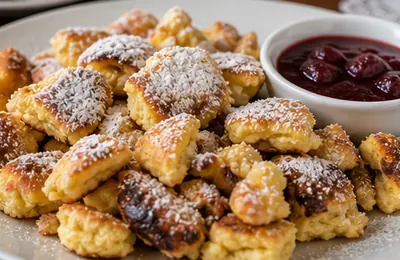 Kaiserschmarrn
Shredded caramelised pancake served with plum sauce — a beloved Austrian dessert.
 Apfelstrudel
Thin pastry filled with spiced apple, raisins and walnuts — found in every Viennese coffee house.
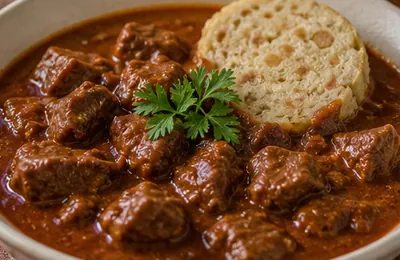 Gulasch
Rich beef stew with paprika and onion — brought from Hungary and made Austrian over centuries.
What to drink
 Grüner Veltliner
Austria's signature white wine — crisp, peppery and produced across the Wachau and Kamptal valleys.
 Zweigelt
Austria's most planted red wine grape — fruit-forward with a hint of spice.
 Einspänner
Viennese coffee topped with whipped cream and served in a glass — a coffee-house icon.
Culture & traditions
 Heldenplatz display
The military and emergency services open their equipment to the public on the vast Heldenplatz in central Vienna.
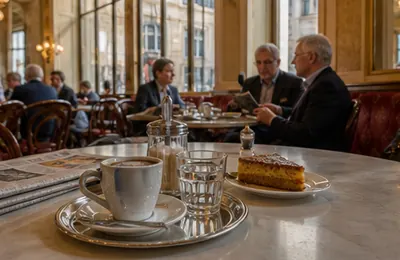 Viennese coffee house
UNESCO-listed cultural institution — the Kaffeehaus is a place to read, debate and linger for hours over one cup.
 Vienna Opera Ball
The grandest event in the Austrian social calendar — the State Opera is transformed into a ballroom each February.
 Parliament open day
Austria's parliament building opens free to the public on National Day — guided tours run throughout the day.
Coming years
Austria National Day 2027
- Tuesday 26 October 2027Next event date
Austria National Day 2028
- Thursday 26 October 2028Event date
Austria National Day 2029
- Friday 26 October 2029Event date