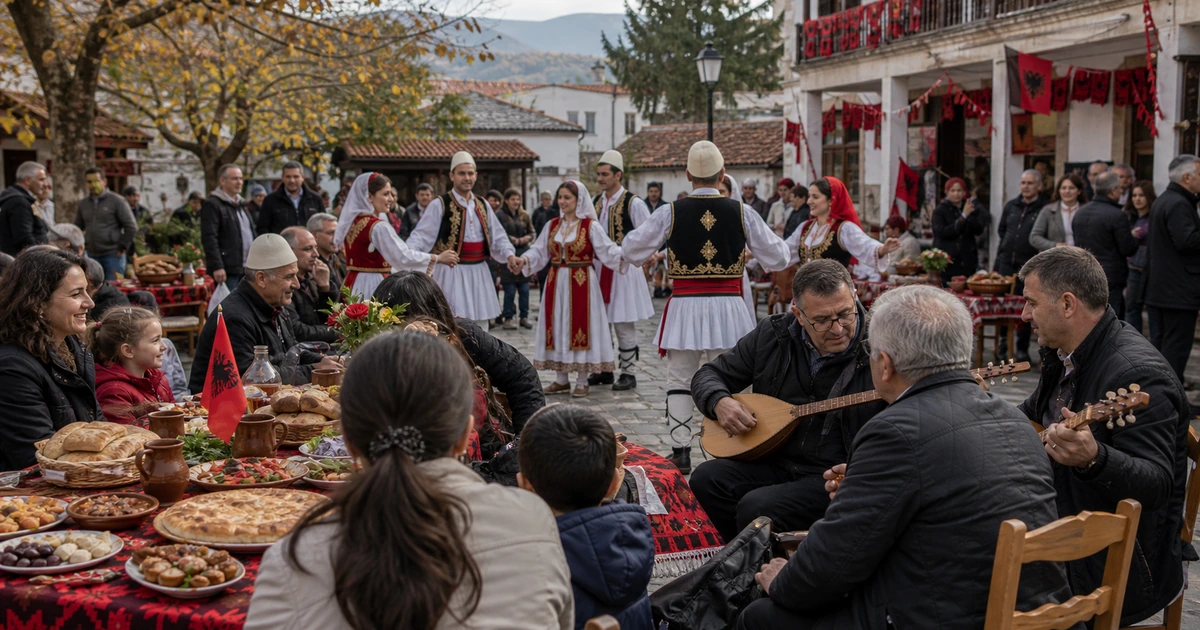
Albania Independence Day 2026

More National days
National days topic
Return to the National days index for related events.
About the event
It came at a critical moment when the Ottoman Empire was weakening during the Balkan Wars, giving Albanians a narrow window to assert nationhood before the region was carved up between neighbouring states.
The main square in Tirana fills with crowds for the official flag-raising and state speeches.
Why this day
On 28 November 1912, Albanian leaders gathered in the coastal city of Vlorë and proclaimed independence from the Ottoman Empire, ending five centuries of foreign rule. The date is known as Dita e Flamurit — Flag Day — because it was the first occasion the Albanian double-headed eagle flew as the flag of a sovereign state.
The declaration was led by Ismail Qemali, a former Ottoman official who returned to Albania to lead the independence movement. It came at a critical moment when the Ottoman Empire was weakening during the Balkan Wars, giving Albanians a narrow window to assert nationhood before the region was carved up between neighbouring states.
Today the day is marked with flag-raising ceremonies, military parades and cultural events across Albania. The capital Tirana holds the largest festivities, with crowds gathering in Skanderbeg Square — named after the 15th-century national hero who resisted Ottoman conquest for 25 years.
Timeline
- 1443Skanderbeg raises Albanian resistance against Ottoman rule
- 1912Independence proclaimed in Vlorë
- 1991First multi-party elections mark end of communist era
Key figures
Stay for the event
Check-in 27 Nov, check-out 29 Nov 2026 — 2 nights around 28 November 2026. Change the dates to stay longer.
AREA
Find stays in TiranaGetting there
- Celebratednationwide
- CapitalTirana
- Time zoneCET (UTC+1)
Host country
- Currency: Albanian lek
- Language: Albanian
- Driving: on the right
- Capital: Tirana
- Phone: +355
- Emergency: 112
- Electricity: 230 V, 50 Hz, plugs C/F
What to eat
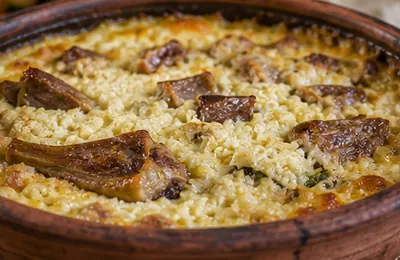 Tavë kosi
Baked lamb and rice in a thick yogurt and egg sauce — widely regarded as the national dish.
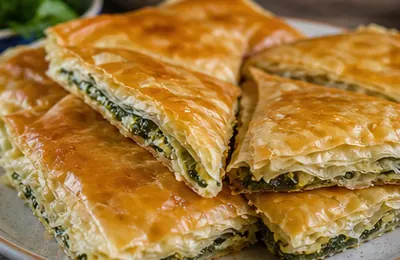 Byrek
ByrekFilo pastry filled with spinach and feta cheese or minced meat — found at every Albanian bakery.
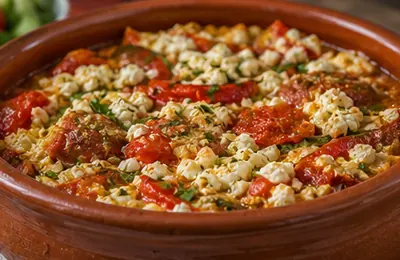 Fërgesë
A Tirana specialty of sautéed peppers, tomatoes and cottage cheese baked in a clay pot.
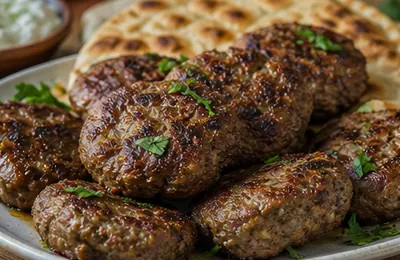 Qofte
QofteGrilled minced meat patties seasoned with onion and herbs, served with flatbread.
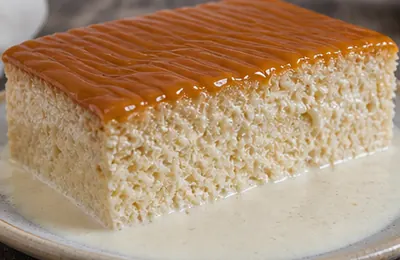 Trilece
Three-milk sponge cake soaked in evaporated, condensed and heavy cream — a beloved dessert.
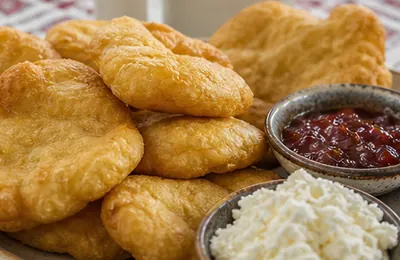 Petulla
Fried dough balls served with feta cheese or fruit jam — a popular street snack at fairs.
What to drink
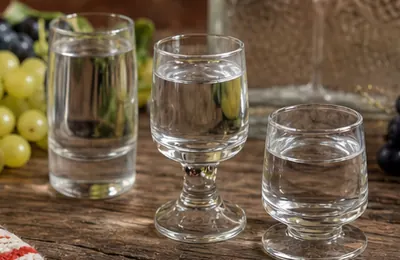 Raki
RakiAlbanian grape or mulberry brandy — the national spirit, traditionally home-distilled.
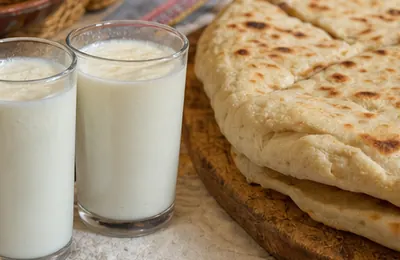 Dhallë
Chilled salted yogurt drink consumed at meals throughout Albania.
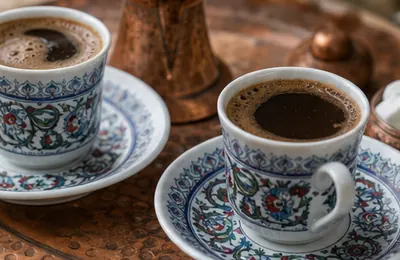 Coffee
Strong Turkish-style espresso served at every café — Albanians are devoted coffee drinkers.
Culture & traditions
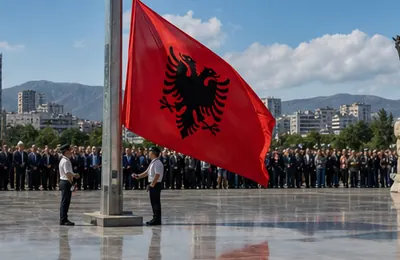 Skanderbeg Square ceremony
The main square in Tirana fills with crowds for the official flag-raising and state speeches.
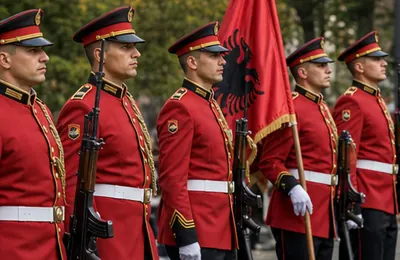 Military parade
The Albanian armed forces march through the capital in a formal independence ceremony.
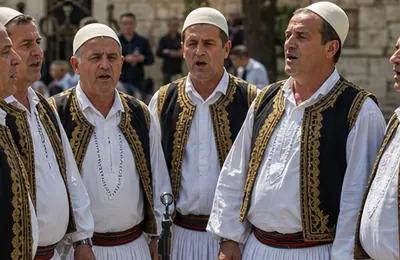 Iso-polyphony
UNESCO-listed Albanian folk choral singing performed at cultural events on national occasions.
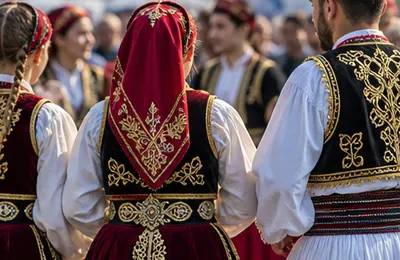 National costume
Traditional Albanian dress — the white fustanella for men and richly embroidered dresses for women — worn at folk performances.
Coming years
Albania Independence Day 2027
- Sunday 28 November 2027Next event date
Albania Independence Day 2028
- Tuesday 28 November 2028Event date
Albania Independence Day 2029
- Wednesday 28 November 2029Event date